
The center of the nervous system: the front office

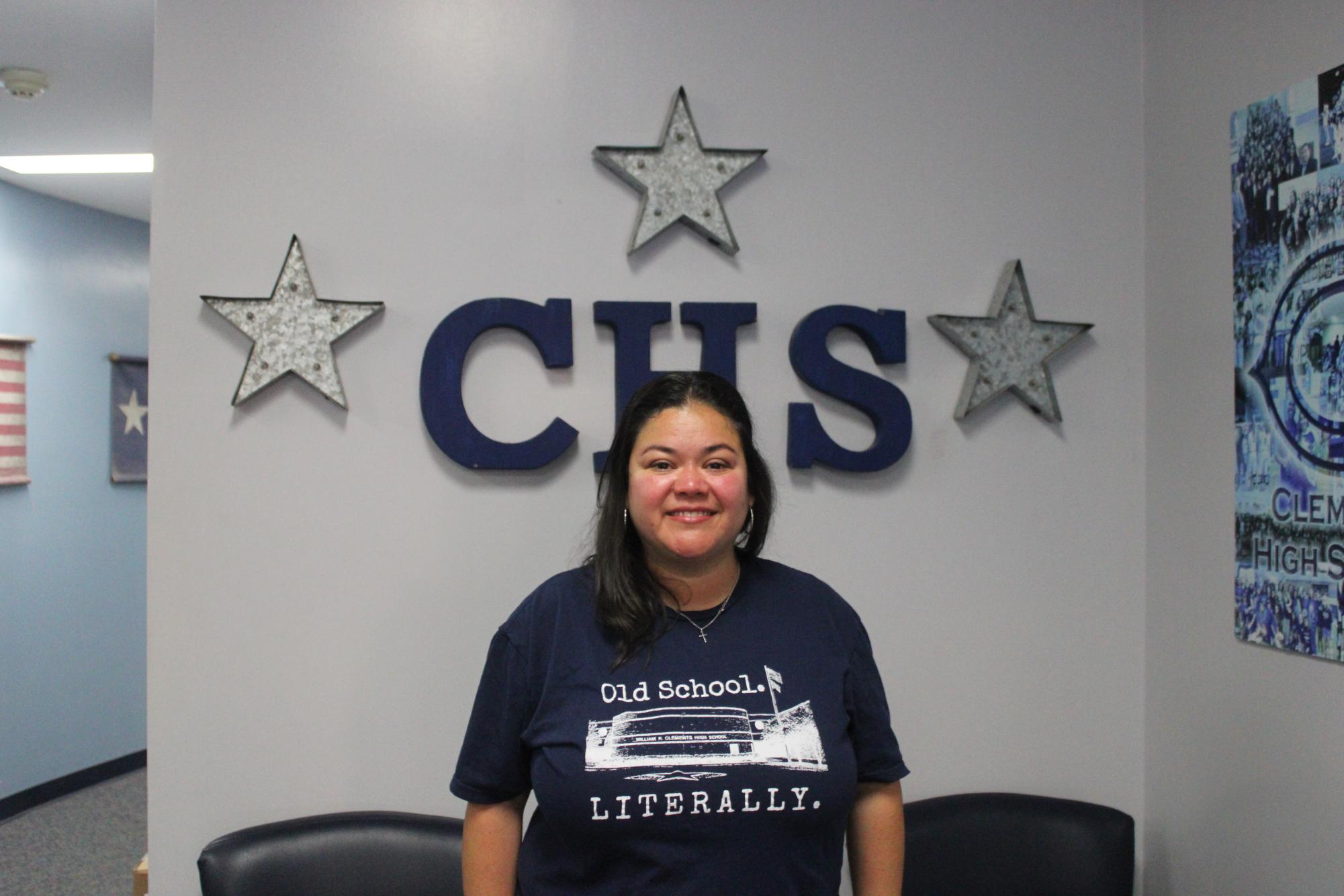
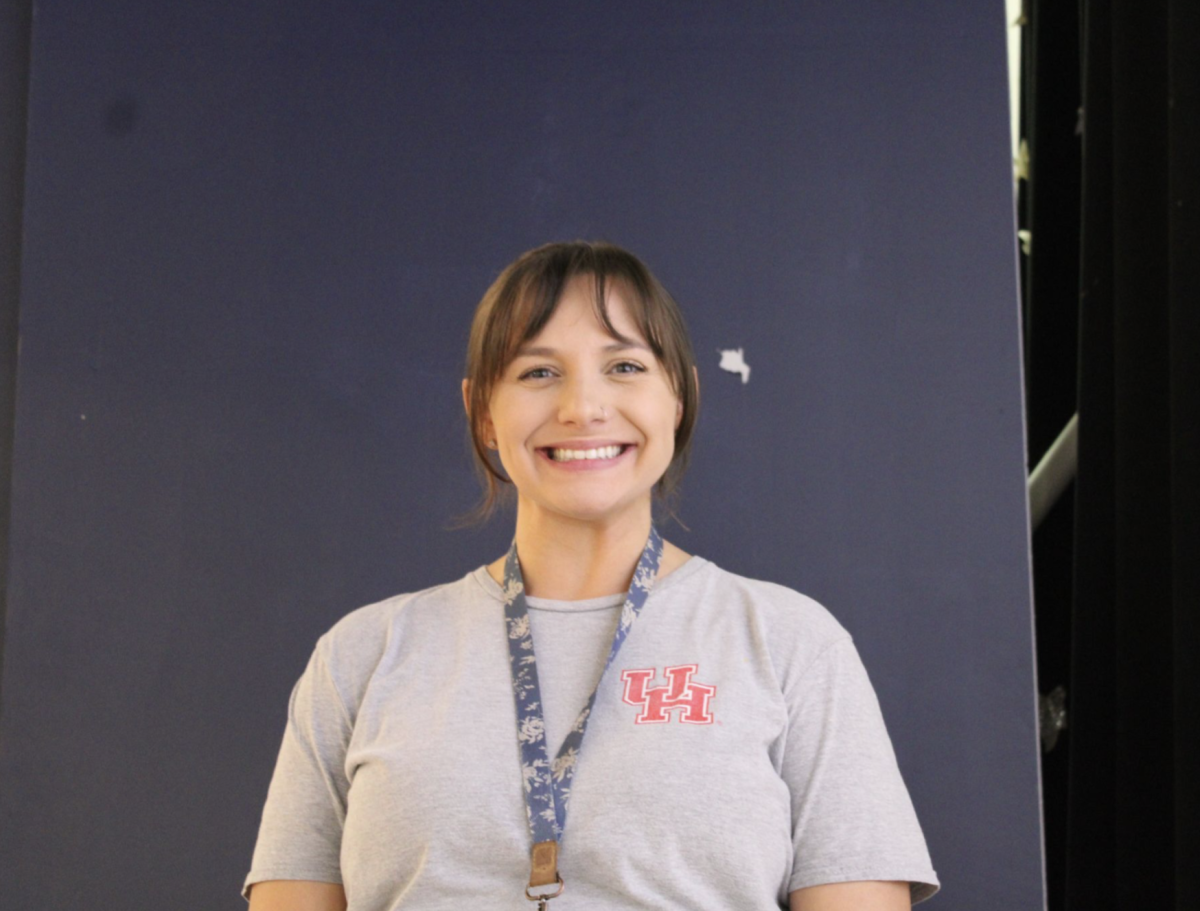
Operating half a dozen devices that cleave and divide her attention multiple ways, receptionist Chrystal Bareng is simply happy to help. She juggles two phones and a constant stream of guests and deliveries that stop by the sliding window—whose printed nametags later get stuck on the growing “guest ball” after being scanned in. It’s a nonstop all-day business for her in the front office.
“It’s constant, assisting others, whether it’s students, parents, staff,” Bareng said. “Being available to answer and assist everyone here.”
While Bareng does get “a little frustrated” when she doesn’t know the answer to a question she’s asked, she tries her best to keep up with intraschool communication, any recent emails or updates others may ask about.
“When I’m helping others, right, that fulfills,” Bareng said. “Not leaving that question mark…knowing that I fulfill my job role to the max, that I came in here, served and met all expectations of me.”
It is Bareng’s third year at Clements. Before Clements, she worked as part-time receptionist at Hawley Elementary School, then a data entry clerk at Austin High School. The other half of her career she spent in medical billing and coding, which she went to vocational school for.
“It [taught me] people skills,” Bareng said. “Learning and trying to fulfill customer service.”
Before vocational school, Bareng attended Houston Community College briefly. At the same time she was also working in copy litigation, which felt more like a law firm, she said. The job required a lot from her, which led her to drop out a month into her freshman year—an “immature mindset,” Bareng called it.
“I actually wanted to be a stewardess, a flight attendant,” Bareng said. “Back in that time, you had to be a certain height, a certain weight. That is no longer a thing, right, I don’t even think that word is being used anymore.”
Outside of school, Bareng is a “part-time Uber driver” for her two sons, 14 and 12 years old. 14-year-old son plays football and in his off season assists with girls flag football, whereas her younger son plays the trumpet and often has private lessons or band practice. For Bareng, being a mom is the best feeling in the world.
“We do live on half an acre, so keeping up that land takes up a lot,” Bareng said. “It’s open land, so we have no border…all my neighbors, we just walk through each other’s yards.”
It does take, however, a lot of cleaning, the brunt of which is taken up by Bareng’s sons. Every weekend, the grass needs to be cut, and the wind is always blowing trash around the yard. As for pets, they have two chihuahuas, one boxer and a black pig named Coco.
“I learned how to sew in 2020 during the pandemic when we were all trying to stay busy,” Bareng said. “I also have a lot of wreaths [and] a Cricut. I used to have a small little side gig of making shirts.”
The faux wreaths that Bareng makes—which get hung on her door for holidays, her favorite being Thanksgiving—begin with a metal frame, followed by mesh and ribbon, then a sign depending on the time of year.
“I love organizing, I really do,” Bareng said. “I don’t know if you consider that a hobby, but I love it.”
Bareng’s favorite movie is “Cry Baby” and her favorite book is “The Silent Patient.” She enjoys thrillers and loves to learn, which she calls a “forever thing.” Her most treasured things around the office are gifts, including a portrait of her from a student.
“It was fantastic,” Bareng said. “That was an honor, because I don’t know who that individual was, but they picked me…and then parents who show their appreciation via a gift, a snack or words is very, again, satisfying, right? Knowing that I’m doing a good thing here, [that] they appreciate it.”
Her main goal now is to pay off her mortgage in the next four years—a substitution, in Bareng’s eyes, for retirement.
“The way our economy is going right now, I don’t know if I’ll ever retire,” Bareng said. “I always joke around, like, [I’ll stay here] as long as they keep me around.”
For students, Bareng’s advice is to be honest, good or bad, and to pursue your dream. To chase happiness rather than someone else’s expectations, and to remember that “everything’s figure-able,” she said.
“It’s a challenge, but we make through,” Bareng said. “We make it. You know, I try to stay positive. Everything I’ve wanted, I’ve fulfilled. I don’t want to sound cocky because I’m not. But I just feel like God has put me in a place, and I’m good. I mean, there’s been tough moments, but you overcome those.”
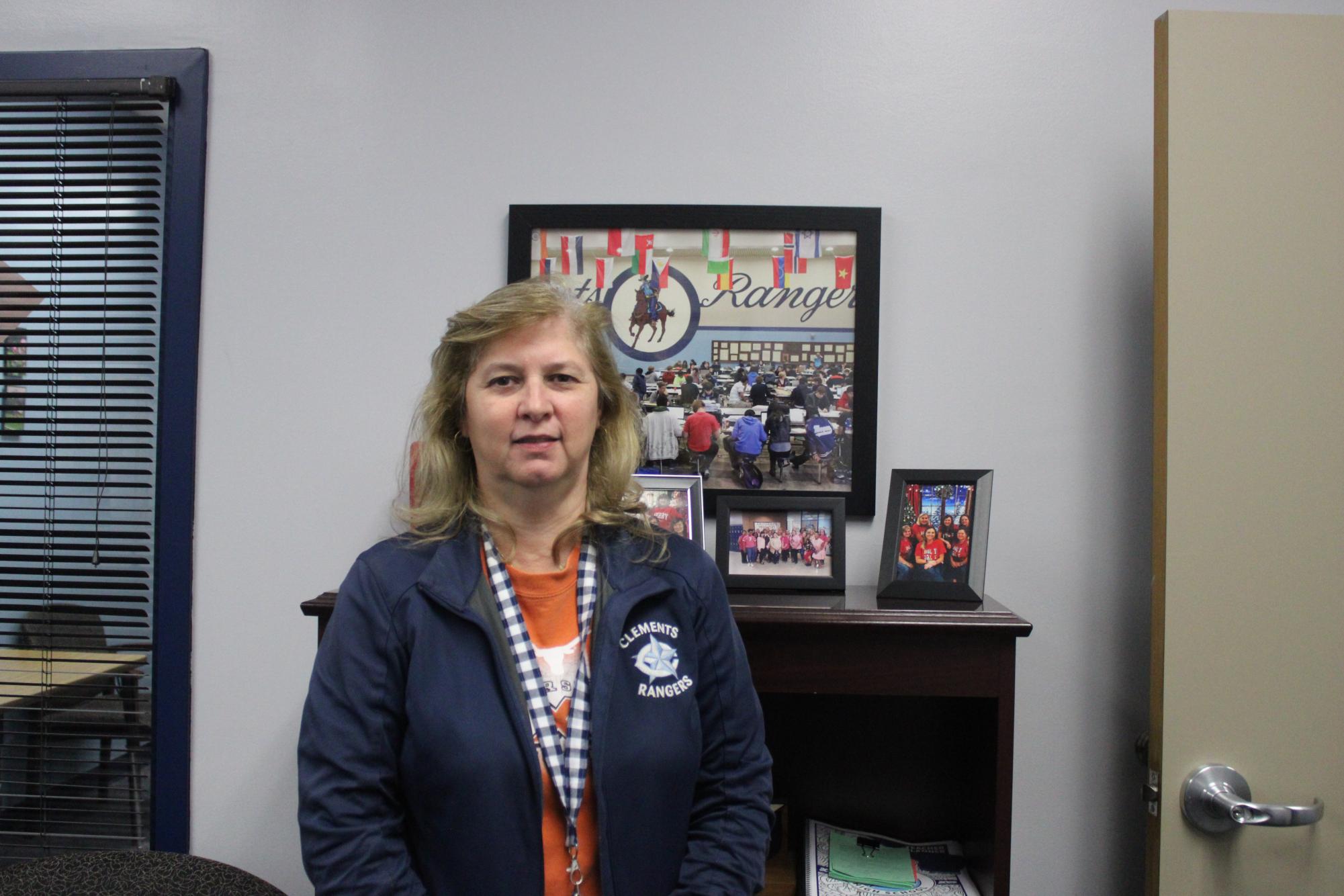
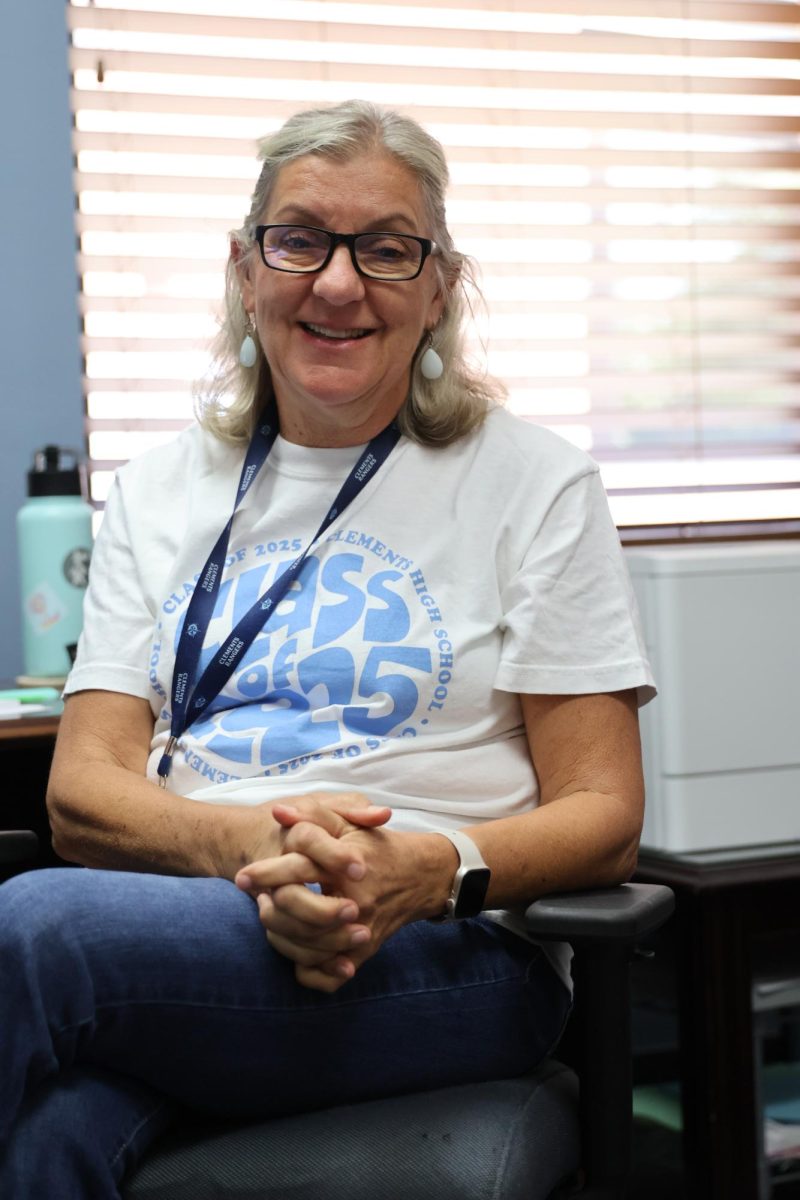
Certified pharmacy technician with 14 siblings, registrar Olga Flores has spent two decades married to data. Flores considers working the transcript not unlike piecing together a puzzle, a hobby of hers. For her, the meaning of life lies in everyday contentment, in the fulfillment and small victories she gets from her job.
“My typical day normally comes down to working on building new transcripts for new students,” Flores said. “[We] make sure they get their GPA and all that posted.”
Flores enjoys the challenges that come with student transcripts and figuring out the intricacies of different classes and their credits.
“I start with my emails,” Flores said. “[I] try to get that answered prior to starting my day, because I know after I start working, it’ll get a little bit more hectic…especially students requesting VOEs. We do have a 24-to-48-hour turnaround, but we try to get to them as soon as possible.”
As a child, Flores’ dream was to be a teacher, which shifted as she grew. After high school, Flores took an interest in office work and attended accounting classes at Wharton Junior College.
“Then I started working at a home delivery pharmacy,” Flores said. “It was pretty much an office job. We would just deliver the medication…then, right at the end of 2000, they said you had to be certified in order to work as a pharmacy technician. So, the company actually paid for me to go take that test.”
After the pharmacy closed, Flores started working for Fort Bend ISD as a data entry clerk, first at Marshall High School for four years, then at Travis High School for another six. While it has been two decades since she last worked as a pharmacy technician, she continues to take classes to retest for her certification every two years.
“The home delivery part, those were regular hours,” Flores said. “But then, if you go to work at Walgreens, usually you work nights, days, weekends. So, I didn’t. For me, it’s better [to have] a 7 to 3 kind of job.”
For now, Flores considers being registrar her “perfect job” and has been working at Clements for a decade. Her fondest memory has been of former Tennis Coach John Furlow—who died in 2020 after coaching for 37 years at Clements—and how welcoming he was when Flores first came to Clements.
“[I love] our camaraderie, me and Ms. Yurcak,” Flores said. “We’re just here. And then, of course, my little things that I have, my little boot here, my little Jesus here. Little things that people have given me that make me feel honored that they think of me and give me things that I keep here. But really, I think it’s more of a team that I really enjoy here.”
Another aspect of working as the registrar that appeals to Flores is student interaction. While she doesn’t get many stop-bys, some students will pause a while to work on the communal puzzle.
“I do enjoy when [students] do come by and tell us about their day, or their class, or what they’re doing in their class,” Flores said. “I’m glad that students trust us enough to come and talk to us also. Because, I mean, we’re not counselors, you know, we’re the registrar, so that really makes us happy that they do notice us and they do want to talk to us.”
Her advice to students is to not stress so much about GPA and college admissions.
“It doesn’t matter what college you go to, as long as you put your 100% and you go for what you want to study and be happy in what you’re doing,” Flores said. “You know, any college is a good college. It doesn’t have to be a prestigious college to be able to get a degree.”
On an average weekday, after work, Flores will devote about 30 minutes a day to her current puzzle—normally 500 to 1,000 pieces—and occasionally pop in on her mother. Family is one of her most treasured values.
“There’s 15 of us in my family,” Flores said. “9 brothers, 6 sisters. At this point, 3 of them have passed away already, so there were less. I have my mom. My dad passed away back in 2010, and I only have one sister that lives in Laredo, Texas Lloyd. Everybody else is in town.”
Growing up, Flores lived in a 3-bedroom house: one room for the girls, one for the boys, and another for her parents. Most of her siblings are two years apart, with a 30-year age gap between the oldest and the youngest. Family gatherings are 30- to 40-person affairs.
“On one hand, it’s a nice thing having a big family when you need [help] like when we’re having my mom,” Flores said. “It’s a good thing, but there’s times that’s like, ‘Oh no, too much,’ because, okay, ‘I want this,’ ‘I want that,’ and there’s too many of us.”
Flores was the tenth to be born—a number she best recalls by counting from the top. She has also recently started a practical garden in her backyard and is cultivating tomatoes, cucumbers, potatoes and strawberries.
“Success is having a happy life,” Flores said. “Don’t stress too much about certain things. I know we all have problems, I know we all have issues, but I think we need to focus on, ‘Okay, we have to handle this,’ but go ahead and move forward and be happy, because, you know, if we’re [only] going to be focusing on this, we’re never going to get out of it. Just be happy in life, and, you know, do what you like to do.”
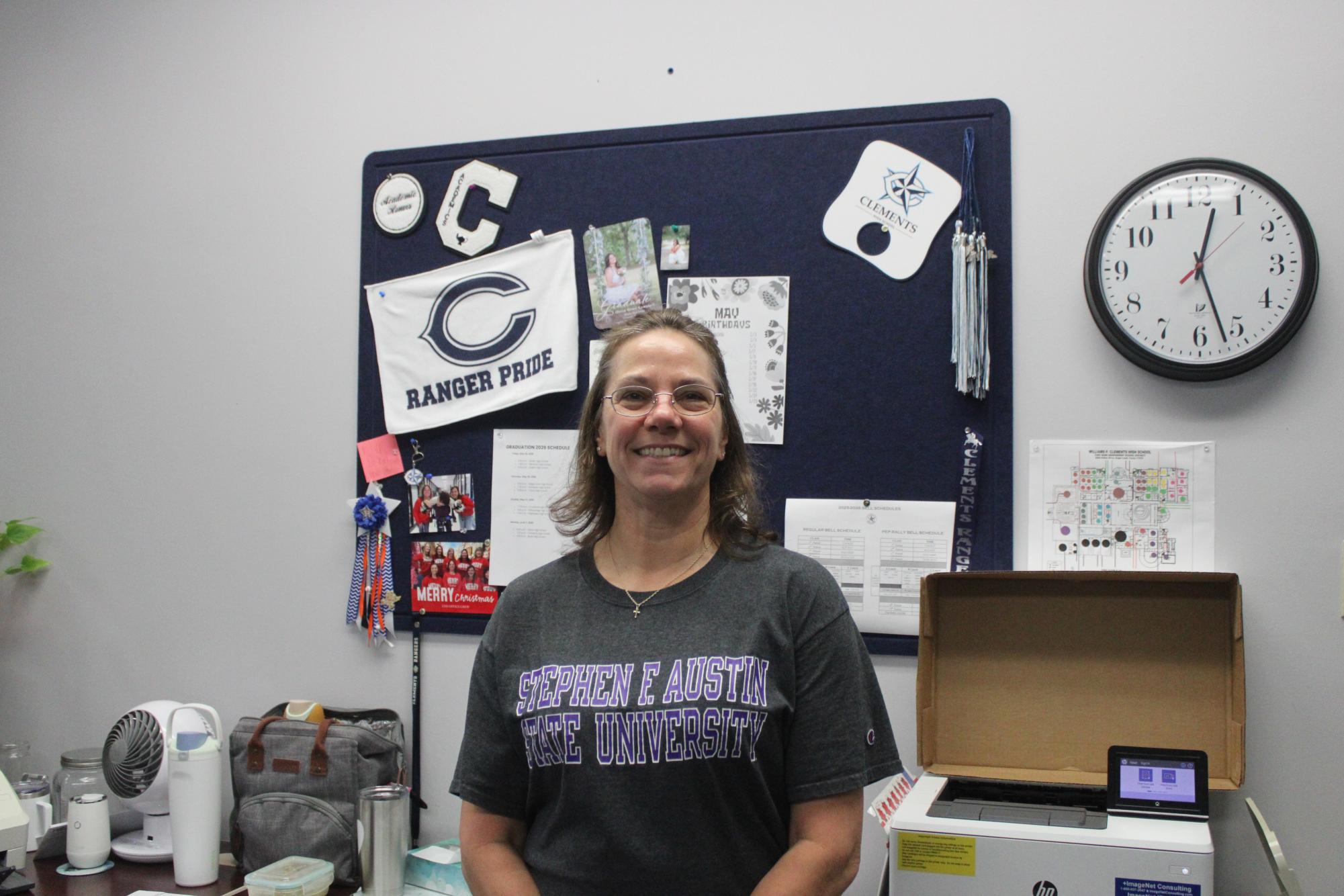
Having achieved her picture of success—with a stable, enjoyable job and her children happy—registrar assistant Jodi Yurcak is entirely content in life. A big part of that she owes to her faith, attending a non-denominational Christian church every Sunday.
“I’ve always believed,” Yurcak said. “We raised our kids in the church. It makes me feel better knowing that I have somebody looking out for me.”
Yurcak graduated from Clements in 1988 and returned as the registrar assistant in 2016. In between, she got her associate’s degree from Houston Community College, worked as a secretary for an oil and gas company then at the Parkway United Methodist Church in New Territory—controlling the facilities and teaching occasional Bible study classes—before getting her locksmith license to help with her dad’s company, Jack’s Lock and Safe.
“Most of his business was with corporate companies,” Yurcak said. “Changing out locks, locking companies out if they didn’t pay their bills.”
Even though it was a struggle for their family, Yurcak considers watching her father start his business to be one of the formative experiences of her childhood. At Clements, she focuses on enrollments, withdraws, transcripts and VOEs alongside registrar Olga Flores.
“There is no average workday in this office,” Yurcak said. “It’s always something different.”
To make her office more homely, Yurcak keeps a diffuser by her desk, which varies depending on her mood. Because her and Flores’ offices are so close by—with Yurcak stationed on the outside and Flores on the inside—they often yell at each other through the door.
“We joke around, but we also know when we need to get something done that we have to be serious,” Yurcak said.
The office is still adjusting to new Skyward, one of the biggest changes since COVID and the record digitalization. Yurcak compares it to starting a new position.
“You have to learn a new way to do all the things you were doing before,” Yurcak said. “If it’s something like enrollments that I do every day, I think I know all those steps now. I had no idea how to do grades at first, because that’s not part of my job. I was never trained on how to look those up.”
Clements has become “a lot different,” Yurcak said. When she attended Clements, there were only three schools in Fort Bend. The extracurriculars were smaller and more people showed up at the football games. As a child, she struggled with getting through school.
“It was just something you have to do,” Yurcak said. “Wasn’t one of my favorite things…[but] pay attention to what you’re doing. It’s not always easy, but you’ll get there.”
Outside of school, Yurcak enjoys reading—she “jumps after” just about anything but likes Dee Henderson, a Christian author, the best—and going to concerts with her husband.
“I would prefer Christian concerts,” Yurcak said. “My husband listens to more rock than I do…We do watch sports [too]. My husband is a Pittsburgh fan, so he likes football. I would prefer to watch baseball or hockey.”
They also have two Dachshunds: Dakota and Barkley. Of the two, Barkley is the quieter one. Yurcak’s daughter is 29 and a pre-Kindergarten teacher at Drawback Elementary School—who plans on attending nursing school—and her son, 24, is a service repair facilitator at a trucking company.
“Since our kids have been gone…we’ve been making a list of all the places we’re going to travel,” Yurcak said. “[But] we have a wedding to plan for next year, so that puts a kink in our plans.”
Besides her wedding ring, Yurcak also wears two rings with her kids’ birthstones, sapphire and peridot. From here on out, it’ll mostly be smooth sailing and a steady stream of enjoyment.
“This is it,” Yurcak said. “I don’t have anything else. I have no goal that I’m working towards. My kids are happy. They’re out of school. We’re good.”
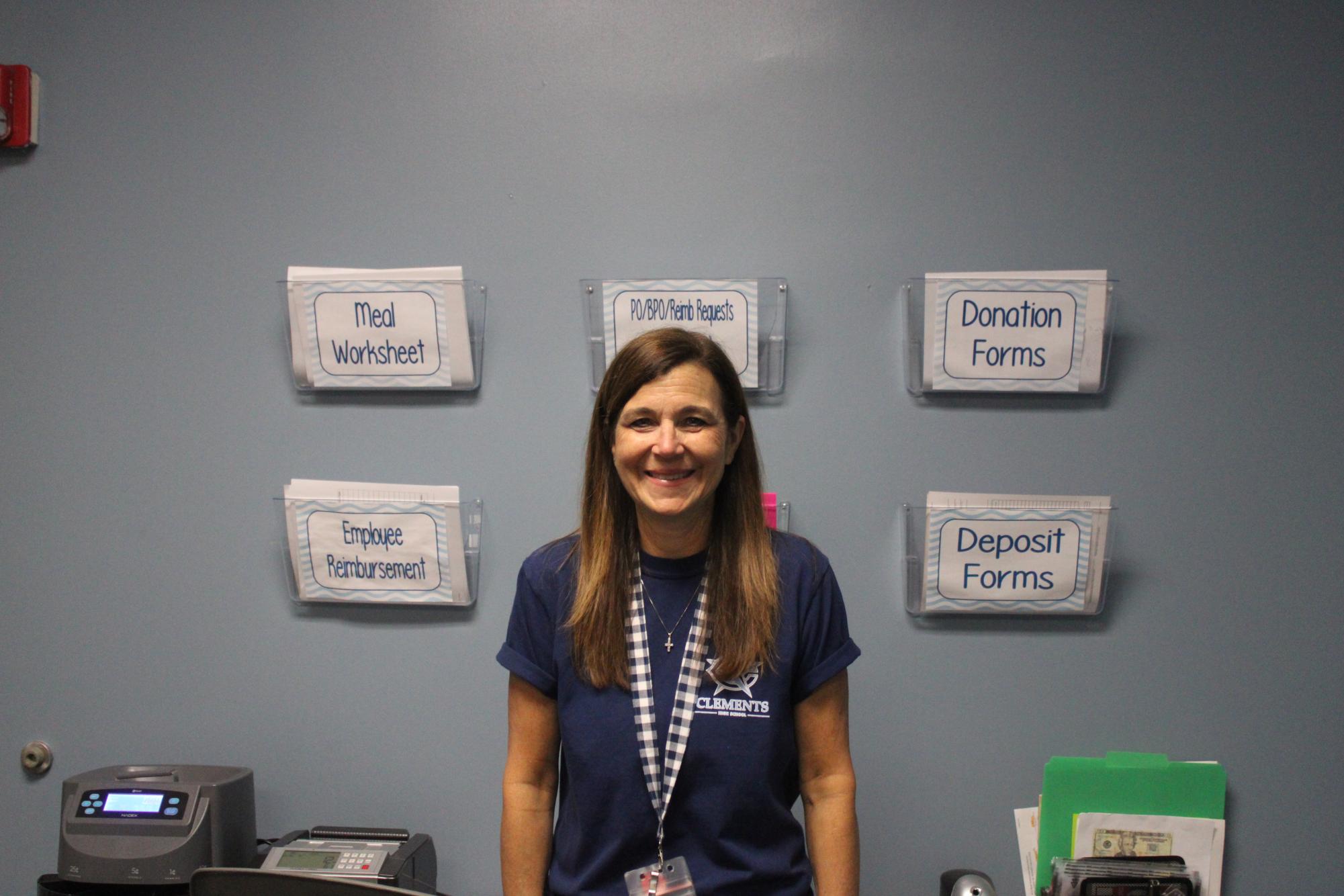
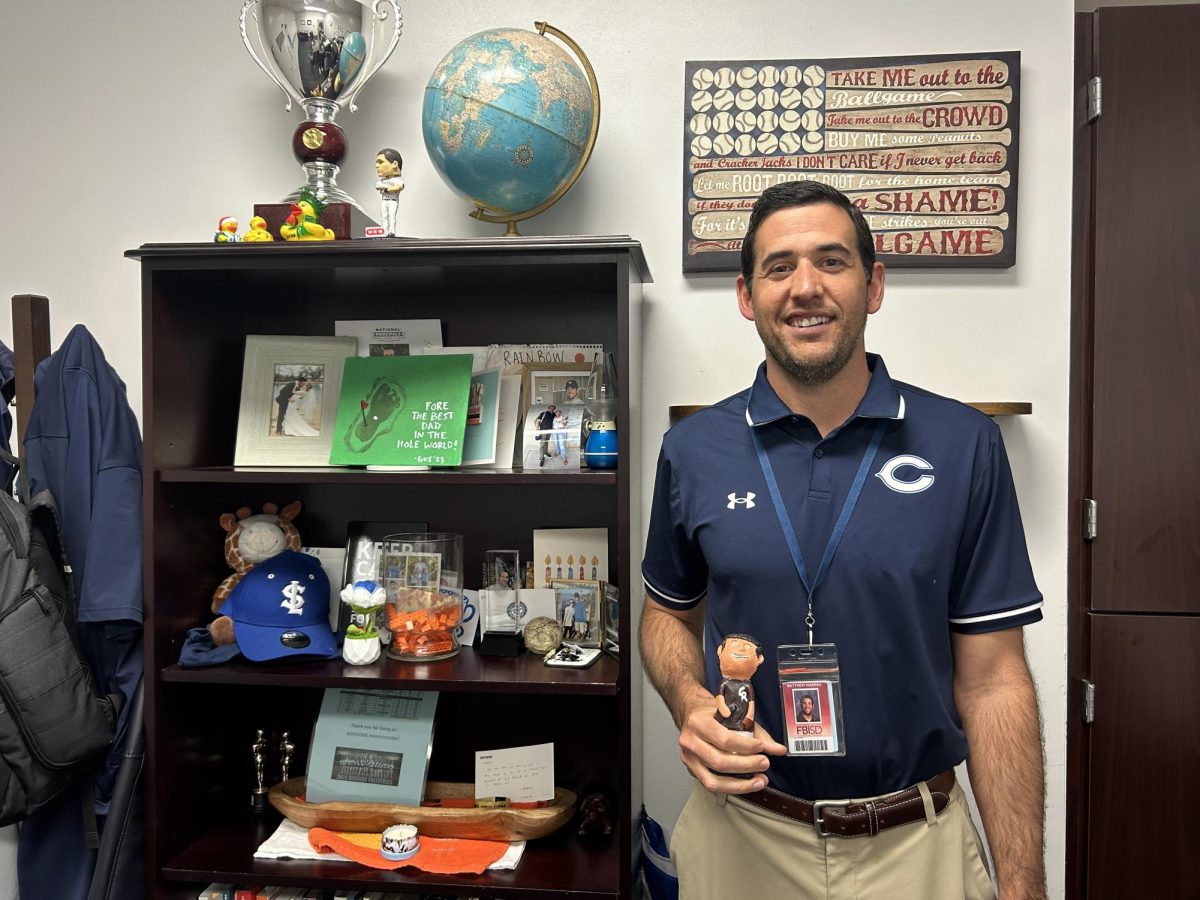
Having beat color cancer at 22 years old, bookkeeper Kelly Metzger is perpetually unfazed, in life and for her work. She manages the monetary transactions for over a hundred Clements clubs, following purchase orders and fundraisers.
“These pink forms you see everywhere, that’s a purchase, that’s a request to buy something,” Metzger said. “So they fill that out. I take it and look over it, and then it gets approved by Ms. Baker. Then, I enter it into our accounting system for a requisition.”
The “life cycle,” as Metzger calls it, then moves up to the accounting department, which sends a purchase order to the company producing the desired product.
“Once we get it, the sponsor lets me know that we’ve received the product,” Metzger said. “I go into our accounting system and receive it in there, and send the invoice to Accounts Payable to tell them that we have received it and you can pay it.”
Deposits also go through Metzger. In the office, on a long table to the side, she keeps two boulder-like money counters. The larger one with a glowing blue screen sorts the coins; while the other, with the mouth-like output tray, counts bills.
“Once the deposit is done, it’s locked,” Metzger said. “I have a big safe in my closet called the vault. Money’s kept in there at all times.”
The district will then send an officer—whose job is to go around different campuses, picking up deposits—to collect the money.
“Not everybody understands, I can’t take a payment from somebody because I’m the bookkeeper,” Metzger said. “People come in and try to pay me for prom. They can’t pay me for prom. They have to go to somebody else…it’s a conflict of interest. If I’m paying it, I can’t verify something that I received.”
Even though Metzger’s go-to word to describe her role is “hectic”, sometimes she’ll also work on what she calls “special projects” that don’t fall under her job description, such as the alumni pavers for the new school building.
“It’s funny, I like working with numbers, but really our front office is such a family,” Metzger said. “We just back each other up…I’ve worked at three schools and by far this is the best campus I’ve worked on as far as the administration. Everybody wants to be here.”
Her favorite memory is laughing with the rest of the front office staff. Her favorite keepsake is a NJROTC coin from Chief Jason Gorsuch. She keeps appreciation notes and cards pinned on her cork board.
“Just the friendships that I have formed with people here that I work with daily is probably the biggest gift I have,” Metzger said.
Before coming to Clements, Metzger was the part-time bookkeeper at McAuliffe Middle School, then Thornton Middle School. After Metzger left, it became a full-time position where the bookkeeper managed two middle schools instead of one.
“We have pages of clubs,” Metzger said. “They had a dozen, if that…I like how busy a high school is. I like being busy.”
Metzger also worked part-time for the Fort Bend Education Foundation—which focuses on raising money for grants for schools and teachers in Fort Bend—as the events coordinator. There, she managed the annual bike ride fundraiser.
“I was an executive assistant to a CFO at a software company in my 20s,” Metzger said. “Then I was fortunate enough when I adopted my first son, that when he was a year and a half old, I was able to stay home and just be a mom.”
The reason behind adopting, in part, was because of the colon cancer that Metzger battled at 22 years old. The chemotherapy had aged her ovaries.
“I had a cousin that was adopted,” Metzger said. “My husband that I married was adopted. So adoption was always a part of my life that, you know, was a good part…We ended up adopting two and God blessed us with another one.”
While her fight with cancer was a formative experience, Metzger said, it barely affects her today physically save for a checkup every five years.
“It was a godsend that we caught it, and I mean, basically my tumor had ruptured, which is how we found it,” Metzger said. “Had it not ruptured, it could have spread all over my body, but luckily, it ruptured before that happened. It’s crazy, really crazy, because I’d actually hadn’t been tested six months prior to it rupturing.”
To get rid of the cancer, a year-long process, Metzger had a colon resection—which took 18 inches out of her colon—and nine months of chemotherapy. It taught her, more than anything, to never give up.
“I’ve had some pretty big curveballs thrown at me, and I’m still sitting here doing life daily,” Metzger said. “To face colon cancer at 22 was pretty scary, scary thing, but I beat, and I’m here.”
Another challenge, one she considers to be “up there with the cancer,” is her son’s own fight against addiction.
“When your child suffers from something like that—and it truly is a disease and you can’t fix it, you can’t take it away—it’s pretty tough,” Metzger said.
Still, her children are her biggest pride, her gift from God. They are approaching 23, 24 and 27 years old. Since Metzger is an “empty nester” now, she and her husband are planning to do more international traveling.
“We went to Italy this year, which was a dream vacation,” Metzger said. “I like to cook a lot…I love Italian food, and I love Mexican food. They’re probably a tie. I’m not a big baker. Sugar is not something high on my diet, and you have to be more precise in baking. You can’t really improvise quite as much.”
Metzger’s favorite movie is “Steel Magnolias” a 1989 “American comedy drama” that’s a “good southern,” as she describes it. Her favorite book is the Bible, though she said she has a hard time reading it.
“God is super, super important, and I learned all that through the trials that I’ve been through for sure,” Metzger said. “Dealing with my son’s addiction, I didn’t sleep, I didn’t eat. It’s just scary, scary, and without God, I don’t know how I would make it through.”
As a child, she always wanted to open a deli. If she could turn back time now, she said she might’ve gone into nursing.
“At the same time, I’ve had a great life,” Metzger said. “I’m appreciative…I don’t think I’d do it any different, honestly.”
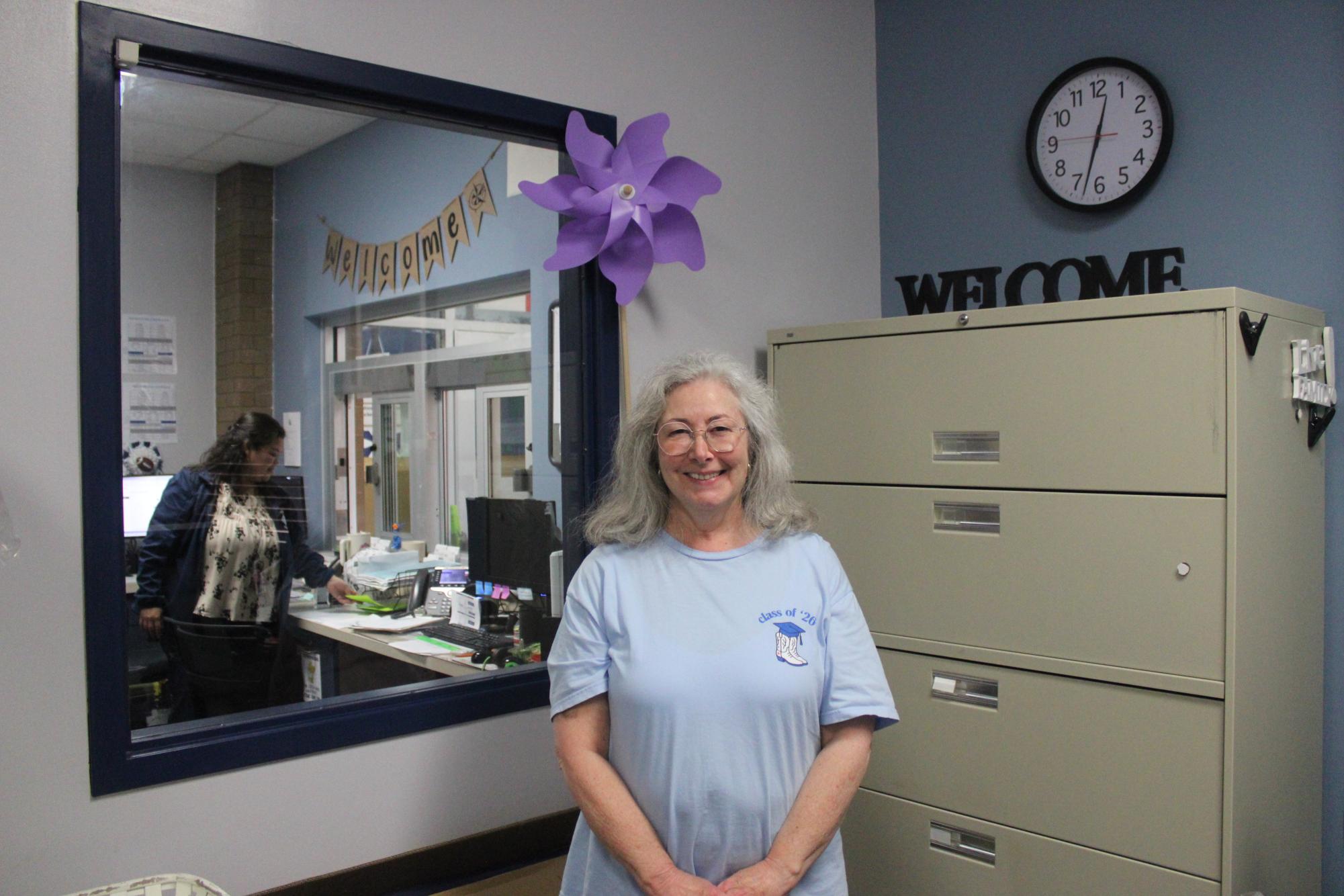
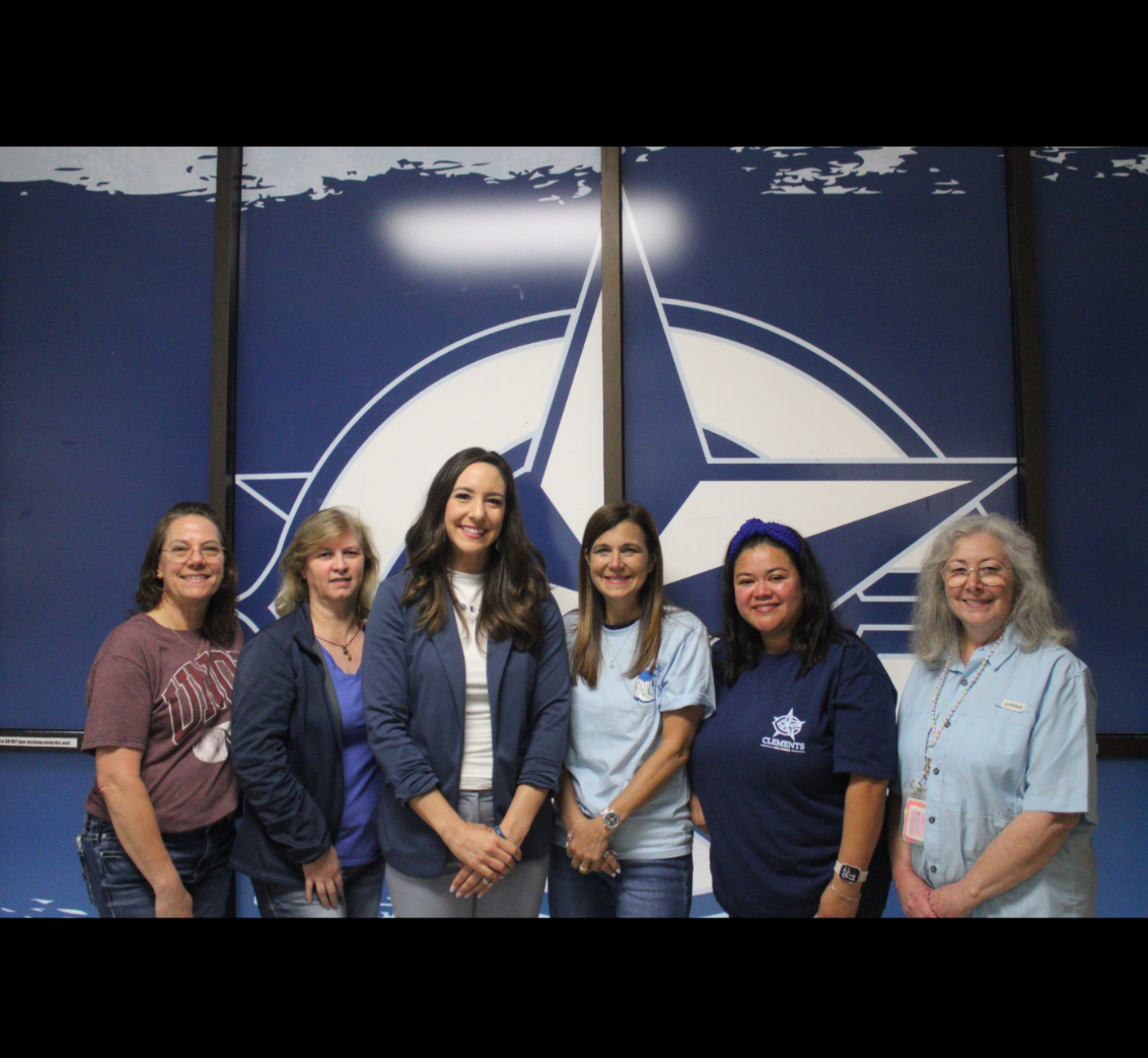
After leading what seems to be multiple lives and “way too many” jobs—the most intriguing ones being a head bank teller, a dental assistant, a bookkeeper for a bail bondsman and a secretary for board of developmental disabilities—executive assistant Sheila Drake has returned to her first love, budgeting, and is settling down at Clements.
“When I was younger, I wanted to be a teacher,” Drake said. “Then as I grew older, it was financing. I hadn’t planned for it, because as old as I am, you had to decide early what you were going to do. And I had chosen not to go to college, so the money wasn’t there.”
After high school, Drake stayed in Ohio and worked as a bank teller. The next year, she became the head teller, despite being only 19 years old. While she doesn’t necessarily regret not attending college, it did mean a different set of opportunities.
“I highly recommend anybody that’s got the chance, go,” Drake said. “It’s an eye-opener. It’s learning. When you go to college, I think it gives you more of the going on the path of adulthood and gearing you more where you want to be. You’ll be more stable with what you’re going to do.”
Back then, though, it was a different time, Drake said. She had grown up with a family that planted their own vegetables and never bought meat from the store.
“There wasn’t time for wishy-washy stuff,” Drake said. “You grew up, you knew…everything, we did it as a family. Games, we played together, and it just made you closer to your family when you did all this together. But yeah, they’re the ones that shaped me. That’s where it started.”
Then, at 21 years old, Drake moved to South Carolina and worked as a teller there. The next year, she moved to Georgia and worked in the loan department, still along the teller line. Afterwards, she returned to her original bank in Ohio.
“After that, I moved to Florida,” Drake said. “I worked for a mobile home slash campground…People that retired would go live in the mobile homes or they’d come down and camp.”
Drake worked there as the bookkeeper until her son was born. Afterwards, she stayed home with him for about three years. Then she became a secretary for a part-time bail bondsman that also sold equestrian insurance on the side.
“[It] was quite interesting because I got to research paperwork, might have to take stuff and drop it off at the courthouse,” Drake said. “I liked it, but it was just like, okay, different life.”
Then they moved back to Ohio and Drake cycled through various jobs. One of her favorites was working at the Crawford County Board of Developmental Disabilities, which was called an MRDD at the time.
“We had a school that was there that the students would go from when they started school until age 19,” Drake said. “I was in the administrative offices, and behind us we had a workshop. So the kids could actually graduate from the school and go into the workshop if they wanted to after they had graduated…I loved working with the people that needed help. My passion is to help, you know. My piece is to be able to help somebody.”
The biggest challenge in Drake’s life has been her son’s struggle against anxiety, which was seen as a fluke at the time.
“His calves, the muscles, you could literally sit there and watch it turn,” Drake said. “It would twist, and the tears would roll down his face…I would go doctor after doctor, and they treated him like it was all in his head, [like] he’s faking it.”
At one point, the anxiety had become so severe that her son lost the use of his hand for a year and a half. When they went to see a neuropsychologist about it, the brain waves showed the opposite: that he was moving his hand just fine.
“[Then] we found a young doctor that said, ‘Probably everybody’s telling you it’s in your head,’” Drake said. “He goes, ‘It is, but it’s a misfire. Things aren’t connecting the way they should, and we’re gonna fix that,’ and he did.”
After being put on medication for a while, his hand gradually recovered. The phone call is one Drake will never forget.
“He was like this happy kid that he hadn’t been in a long time,” Drake said. “It took me a long time to believe that was gonna last, and even as an adult, I still worry. He’s got full control. He doesn’t have to take the medication anymore, but it was just that period of time thinking, oh my gosh, my child’s gonna die, and nobody knows what’s wrong with him.”
Drake is glad that more people are accepting now that anxiety is a real issue.
“My heart goes out to anybody that has to deal with it,” Drake said. “The parents, luckily, they’re more up-to-date now to know that it’s okay, and then you just have to, you know, stay with them.”
Now, her son lives in Ohio and works at the sheriff’s department as a jailer. One of the stressors that might’ve helped catalyze her son’s anxiety was them constantly moving back and forth between Ohio and Texas from 1995 until 2006, Drake said.
“My husband’s mom was still [in Ohio] and his dad had passed, so we would go up there and try to make it financially,” Drake said. “In Ohio, it was a poorer town than here in Texas, so we basically would go up there and weren’t making the money that we needed to, so we would come back, get grounded again and then we’d go back up again, because his mom might call and say, ‘Well, I really need you here.’ It was crazy. It was a yo-yo ride.”
Moving every year or every other year, Drake said she learned a lot on “the rocky road” and became the “packing queen.” Despite the distance, she chose to resettle in Texas time and time again, because it had become home for her and her brother, with their parents both gone.
“My husband would drive the U-Haul and sometimes there might be a little trailer on the back,” Drake said. “I would drive my vehicle or, you know, I pulled a trailer before as well. That’s when I was young and fearless.”
Drake would get different jobs in the two states, but oftentimes, old jobs would hire her back whenever there was an opening. At one point, she worked in the business office of a hospital, taking payments from people on payment plans.
“You ask the questions of, ‘Well, will you be able to make the payment?’” Drake said. “[One patient], she goes, ‘This payment I could make, but the past payments, I’m sorry I’m late, but it was either an option of eating or paying my bill.’ It was quite an eye opener of knowing that people, they have to make those choices and it is hard.”
Her most stable job in Texas at the time was with Texas Pools, a company that built pools. She stayed there for five years, even though she was offered a higher salary at Texsun Pools.
“I was able to go work for them after I had broken away from Texas Pools, because they have that non-compete rule,” Drake said. “I never signed anything, but it was an agreement between the companies. [But] I could stay there, do something different and then Texsun Pools could hire me.”
So, while working weekdays at Texas Pools, Drake went every Saturday to a 10-month school to take a dental assistant course. Afterwards, working as a dental assistant, she encountered a retired nurse that was terrified of dentists but gradually came around. That was one of Drake’s proudest achievements.
“We would have to make sure we kept her on the nitrous, the gas, so she would stay out of it, because if she woke up—which she did one time—she lost it,” Drake said. “But by the time we had finished or gotten close to her dental work, she was able to come in and not have to be sedated. We still did the nitrous, but that was an accomplishment that she felt safe enough with us here, that she didn’t need the extra medication.”
After a year as a dental assistant, Drake moved back to Ohio and returned to working at the Crawford County Board of Developmental Disabilities. Then, in 2006, she came back to Texas for good and started at Texsun Pools as customer service, slowly working her way up into accounting and bookkeeping.
“We were like a family there,” Drake said. “We all had different personalities, but we knew each other so very well, and we spent so much time together…once you’ve got a job you like, you just stay with it.”
Drake stayed at Texsun Pools until 2015, when she started with the district. Her first two years she spent with Willowridge High School as an administrative assistant, then moved to Dulles High School as the bookkeeper.
“While I was at Dulles, I decided to do attendance, [because] I wanted more days off,” Drake said. “Then I thought, nope, financially I needed to go back to the full-year thing. So I got a bookkeeping job at Kempner.”
Drake stayed at Kempner until 2021, when she became an executive assistant in fine arts at the district. After one year, she decided she wanted to return to the school setting because she missed student interactions and came to Clements.
“I like it here,” Drake said. “[I’ve gone] through all the different schools, and every one of them had their pluses, but this one, everything just seems to run so much smoother. And, you know, Ms. Baker has a big part in that. All of the APs, they work so well together. You don’t have any of the nitpicking stuff. They’re a great team here and they’re here for you all, and that’s great.”
To make the 45-minute drive from Pearland—where Drake lives—to Clements, she gets up at 3:45 a.m. and goes to bed around 9:30.
“I can’t stand to be late,” Drake said. “I’d much rather be here an hour early than two minutes late, but that’s my nature.”
At Clements, she still works a lot with money, which she enjoys because of its puzzle-like aspect.
“[Budgeting] is a challenge to me,” Drake said. “I’m very much, it has to be right. I can’t waver. If I see we’re headed in a different direction, it’s like, no, no, it has to be this way. So am I the best at my job? Probably not, because I worry about it.”
While there are fixed costs like graduation, most of the budget is adjustable. Much of it goes to the department heads, the amount of which depends on the previous year’s spending. The busiest season, Drake said, is the end of the school year.
“You’ve got everything happening now,” Drake said. “You’ve got graduation, you’ve got prom…and the other thing, your budget closes early [in April]. So you have to make sure that everything you need for the last two months is already set.”
In case there’s an emergency, the school has P cards—credit cards with a set amount on them—that they can withdraw from. Besides managing the budget, Drake’s main priority is helping principal Tara Baker and being a sort of “gatekeeper” for her.
“I protect her, basically, when I see that she’s overwhelmed,” Drake said. “She has an open-door policy, but sometimes she has to be protected because she’s got work she has to do too.”
One of her favorite items around the office is a rhinestone that Baker gave her at the beginning of the year.
“She goes, ‘Here, you’re like my diamond in the rough,’ which is true,” Drake said. “So that’s sitting there, and every time I look at it, I’m like, ‘Maybe that diamond will shine pretty soon.’”
Drake considers her day a successful one if she has made somebody smile. Her why is connecting with students and watching them grow.
“When you guys graduate, it’s like I’m losing my child,” Drake said.
Her advice for high schoolers is to work hard and play hard, to have “that balance” of where you’re allowing yourself the days to “slough off” but going as far as you possibly can.
“Take time to enjoy life but work as hard as you can,” Drake said. “I see so many of the young people now that have burnout. They’re exhausted before they even get out there. And I just want you all to have happy lives and [be] prosperous. If you can find that balance, you’ve got it made.”
Drake’s own idea of success has to do with balance too, where she can get things done but go line dancing on her own time. Before things got too busy, Drake was line dancing at the Fort Bend admin building through their provided fitness and wellness sessions.
“It was on Wednesdays and Fridays, but now it’s on Thursdays,” Drake said. “They actually have a teacher come in, and it’s urban line dancing. I hadn’t done urban line dancing before, but it’s fun…I like to dance. It doesn’t matter whether it’s slow dance, fast dance. I’ll try it all, just put me up on the floor.”
Outside of work, Drake enjoys watching movies and the Astros’ games with her husband. She also has a 17-year-old chihuahua named Winter, who “consumes a lot of life” and still takes on the world. Her favorite movie is “Gone with the Wind” which is also her favorite book.
“He even watches the Hallmark channels with me, because I’m a big Hallmark [fan],” Drake said. “It’s because they always have happily-ever-after endings. You know it’s going to be horrible during the middle, but it’s all going to be fine in the end. That kind of mind-easing thing, I just enjoy.”
Drake feels the most herself when she’s out on the ocean—even though she can’t swim—during her January music cruise.
“I’m most at peace out there,” Drake said. “It’s calming, on the water. I love to watch the sunrises, sunsets…it’s got different kinds of music. The music starts from noon and goes ‘till midnight. There’s venues all over the ship. If you don’t care about this band, then just go over here. Most of them are very, very good.”
Drake is looking forward to retirement—which she’ll be eligible for in two years. Once she retires, she plans to spend her time volunteering. In particular, she’d like to volunteer somewhere that takes care of children with disabilities.
“They are so appreciative of anything you do,” Drake said. “It doesn’t matter if you just hold their hand. It’s the greatest thing in the world, and it means everything for them to see somebody cares.”
Over the years, one of the most important lessons that Drake has learned is to “take everything in stride” and to not beat yourself up over little things.
“COVID kind of was that learning curve,” Drake said. “You had to roll with it or you weren’t gonna make it, because everything was so helter-skelter. I think that taught a lot of us that you live for today, do the best you can. And you know, you’ve always got a plan for tomorrow, but if tomorrow doesn’t come exactly the way you think it’s gonna, just roll with it.