



The parking lot erupts the moment the clock strikes 2:50 p.m.
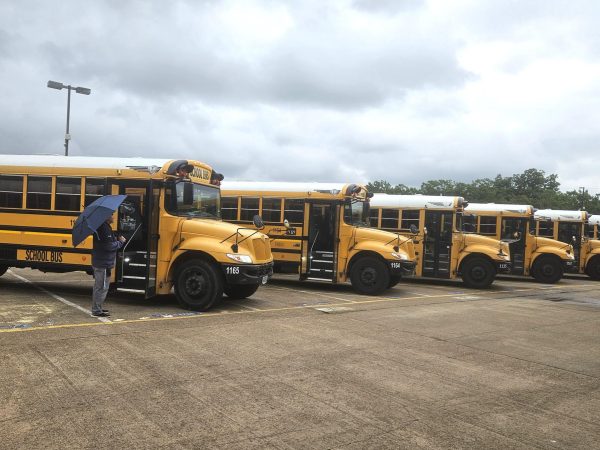
Rows of yellow buses inch forward as thousands of students spill out of school in every direction. Police officers block traffic, administrators wave students forward and bus drivers carefully pull through while trying to keep everything moving safely. Even though this hectic afternoon rush may seem mundane to many students, it is actually the result of close coordination happening behind the scenes every single day.
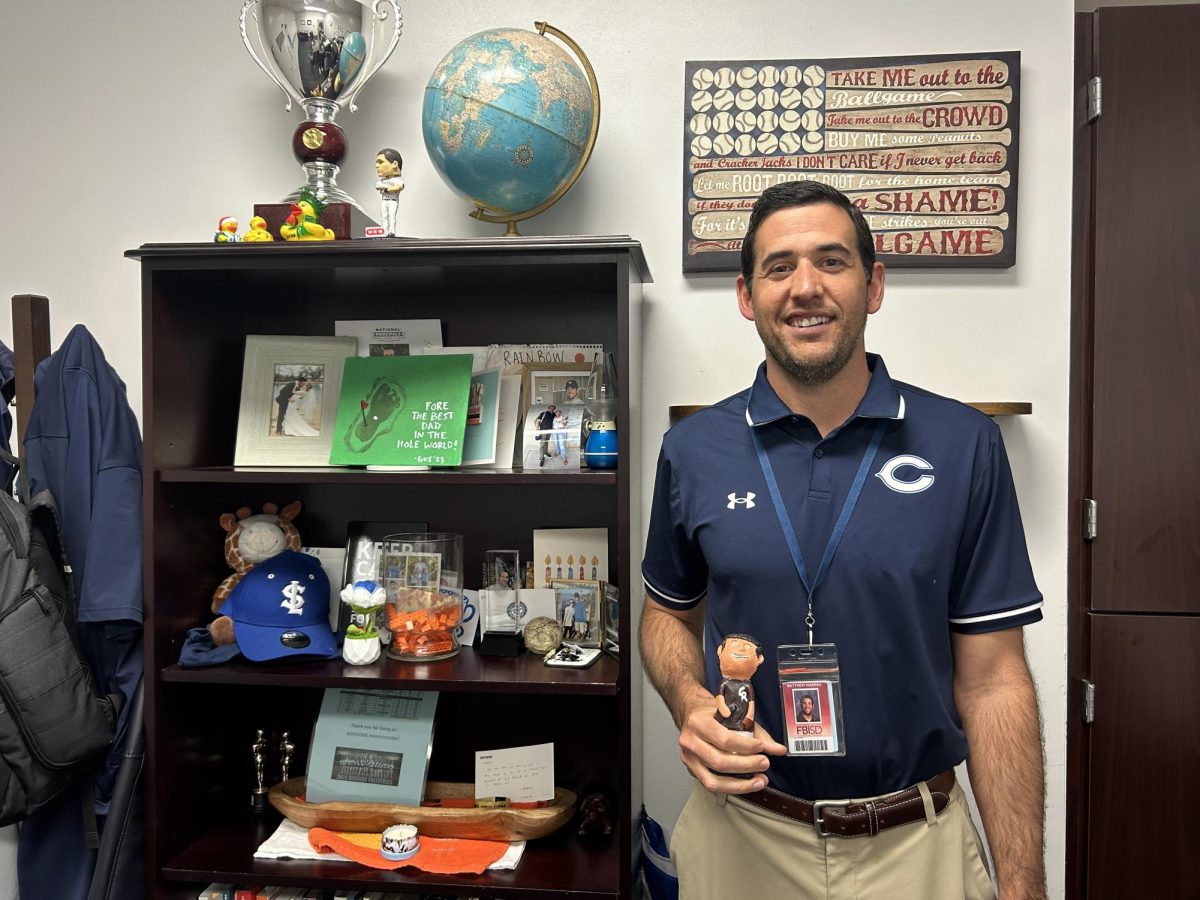
“It’s kind of like when you kick an ant hill and all the ants start going everywhere,” assistant principal Kevin Byrd said. “Here, the doors are wide open for 2,700 kids to go their own way. It’s communication because we have meetings, class meetings. We’ll give y’all announcements about that when the doors are closed. Most people, after about five days, first week of school, they really get it. They try to be safe here.”
Byrd serves as the campus point of contact for general education transportation and oversees about 15 bus routes assigned to the school. While the transportation department handles routing and placements, Byrd manages the issues that happen on campus itself.
“We treat each bus like it’s a classroom,” Byrd said. “So if they have issues on that bus, discipline or anything that needs to be addressed. It comes to me and then I just work into it.”
Byrd is always at the front of the bus ramp while assistant principals Matthew Warren and Romulo Crespo stand in the middle. There is somebody stationed on the walkway as well to make sure that students don’t come running out.
“We give until 2:57,” Byrd said. “As soon as 2:57 hits, we start trying to get everybody out. That’s when the police officer goes out and blocks the street. We just try to keep it open.”
The transportation system extends far beyond simply driving students from one place to another though. Area supervisor Elmer Jett oversees 19 routes assigned to our school along with academy transportation routes and specialized programs throughout the district. Her responsibilities also include transportation for the McKinney-Vento program, which supports students experiencing homelessness.
“Transportation is more than just driving a bus,” Jett said. “It involves route planning, compliance with state and federal regulations, coordinating with multiple campuses, managing specialized programs and responding to real-time challenges such as traffic, weather, staffing shortages or last-minute student changes.”
Many of these responsibilities and challenges go unnoticed by students, Jett said, though they have led to difficulties in recent years.
“Majority of kids come to school on a bus,” Byrd said. “School buses, they’re the lifeline of school. That’s why when there’s weather issues and the buses can’t drive, there’s no school.”
A few years ago the campus lost three drivers, Byrd said, after one retired and two quit. They were short on staff for a good part of the second semester of school.
“That was probably the biggest challenge,” Byrd said. “Just trying to manage all that when we had 69 kids to hold. And that is why we started using the library. It’s been a really good place for that.”
Even under pressure however the transportation staff said safety is at the center of everything they do. School drivers have to undergo weeks of training before even transporting students.
“We had to learn the whole entire bus,” bus driver Mary Haynes said. “We had to know every part of this bus. Underneath the bus, under the hood, all the seats in here, everything. They give you like two months, and then you go to DPS and take your driving test.”
Jett said that school bus drivers undergo extensive training typically ranging from 40 to 80 hours to prepare them from emergencies and challenging situations. Their training includes simulated emergency scenarios and hands-on evacuation drills for situations such as fires or railroad crossings.
“Drivers are also trained in behavior management, crisis communication and de-escalation techniques to effectively handle difficult passenger behavior,” Jett said. “They are also instructed on the proper use of safety technology, including two-way radios and other communication systems, to respond quickly to threats or medical emergencies. This training ensures drivers are well-equipped to prioritize student safety at all times.”
Special education transportation also requires additional certifications and preparation. Their training covers areas of safety, medical awareness, behavior management and emergency procedures. It is also important for them to understand their students’ individualized education plans (IEPs), individual transportation plans (ITPs) and student confidentiality laws.
“Training covers the proper operation of wheelchair lifts, securement systems and specialized restraint devices,” Jett said. “Instruction includes understanding various disabilities like autism, cognitive or emotional impairments and techniques for managing challenging behaviors. Specific, up-to-date evacuation plans for students with disabilities are critical.”
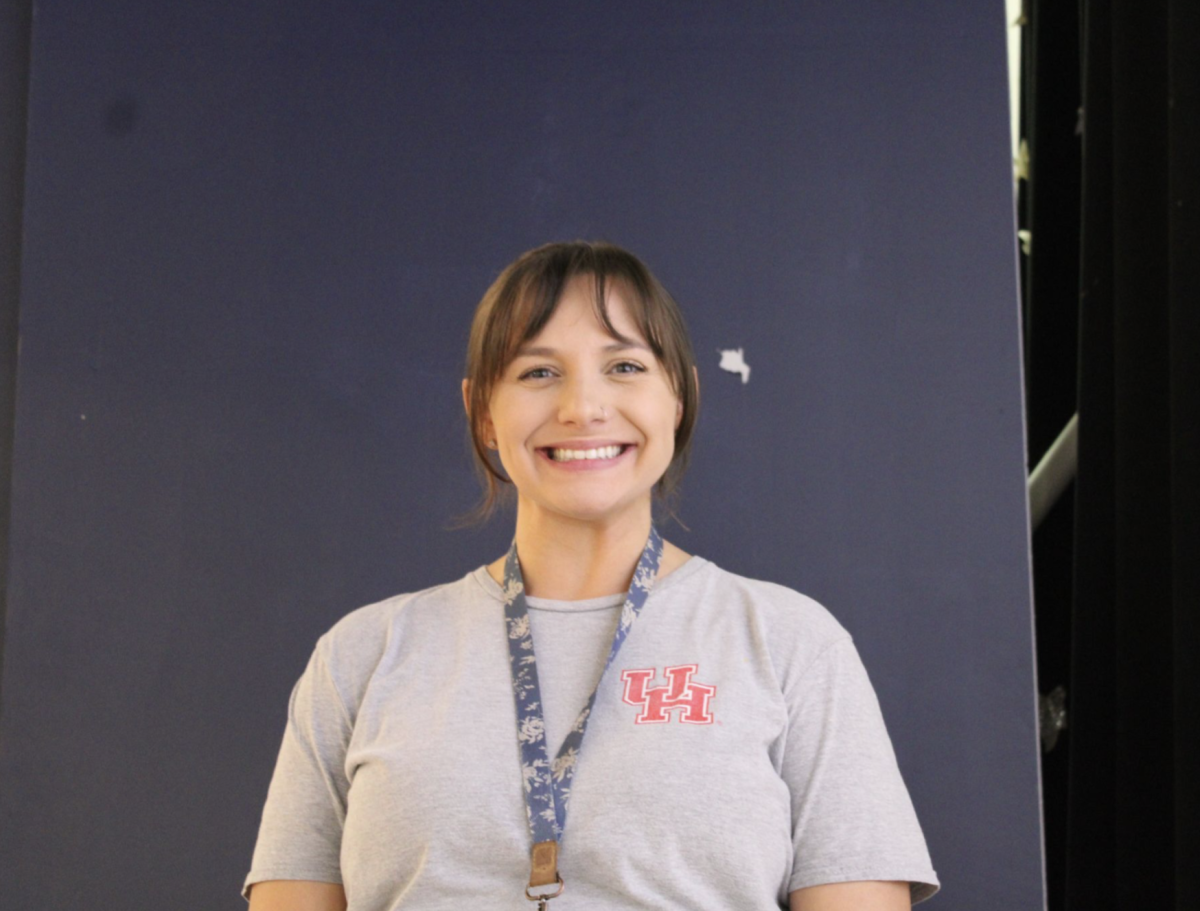
Despite the seriousness of the work, Haynes said that she also values the bond she forms with her students. She has worked in transportation for 20 years and wakes up at 4 a.m., driving routes for high school, middle school and elementary school throughout the day.
“I love my kids,” Haynes said. “Especially my elementary and high school kids. They are very quiet, very respectable. I love listening to my elementary kids talk to each other, it’s so funny. But I love my route overall. I would like for the kids to remember me with a smile on my face and a loving, caring bus driver.”
Still the job comes with challenges. Haynes said that sometimes students throw food, stand up while the bus is moving or ignore directions.
“I get on the mic and I tell them to settle down, you know,” Haynes said. “And we don’t want to hurt each other, we want to love each other and stop throwing food on the bus. Because we don’t want any other students to get hurt by slipping in the food, or sitting in the food.”
For transportation staff their responsibility goes beyond enforcing rules. Drivers often end up being the first adults students see every morning and the last adults before they go back home.
“Drivers pay attention to changes in body language, tone of voice, or behavior, which can sometimes signal that a student needs support,” Jett said. “Beyond safely transporting students, drivers often serve as trusted, observant adults who provide a sense of consistency and care in a student’s day.”
This connection is what Byrd hopes students remember the most after their time at high school concludes. While students may only see yellow buses lined up outside the school, awaiting them, underneath is a complex web of wires—proof of the work that the transportation staff puts in.
“I want them to enjoy their ride on the bus while they’re in school,” Haynes said. “I just want all of us to learn to love one another as one. Because that’s how God is. He loves all of us as one. And I want all of us to love one another, not hate one another. Give us hugs at the end of the day. Tell a person you love them at the end of the day. Because we never know what people are going through.”