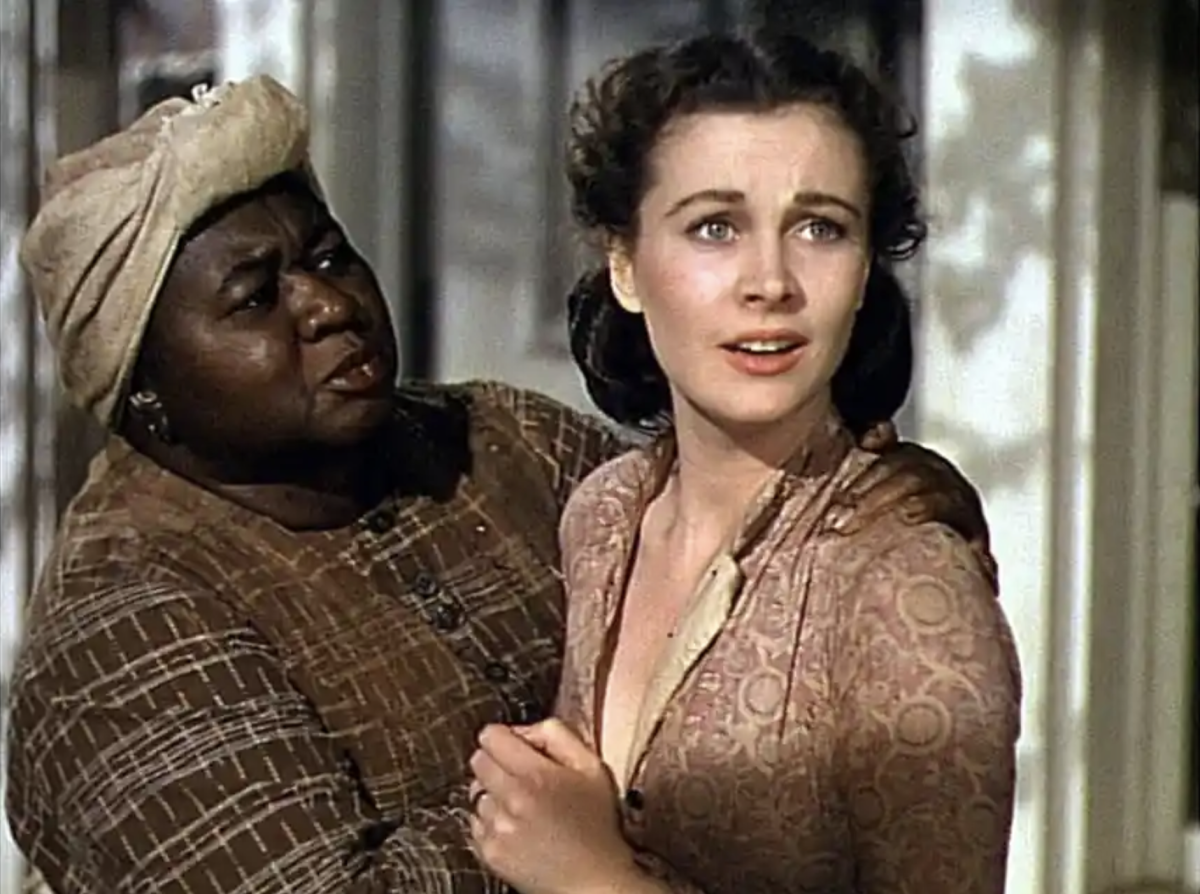
The highest grossing film of all time when adjusted for inflation, Gone with the Wind is with no doubt one of the most iconic films ever made. Vivien Leigh is the perfect stubborn Scarlett O’Hara, and the author of the book, Margaret Mitchell, wrote the character of Rhett Butler specifically to be played by Clark Gable. From the visuals to the sheer ability to make such a long movie engaging, it’s no surprise that it was so loved by viewers across the world. However, in current times I can’t say that it would be as popular. Made to align with the Lost Cause myth and longing for Confederate times, the skillfully made film promotes stereotypes that became hugely damaging to African American actors and their portrayal of the Civil War.
Though it’s easy to admit how well made the film is, the way it glorifies the treatment of slaves in the South during the war undermines their struggles. Hattie McDaniel was the first African American to win an Oscar for her role, and though that achievement is one that opened many doors, the role in itself was rooted in prejudice and caricatures of slaves from the Jim Crow days. Many people are currently angered by this, as our nation is a melting pot of cultures that is increasingly intolerant of bigotry, this film is one that should be watched with caution.
It can be appreciated for the acting, gorgeous costumes, iconic lines and thrilling score, but the message is not one that should be internalized. It gives an incorrect idea of a peaceful South that was disrupted during the Civil War, one where the slaves were content with their stations as well. To me and many others, no amount of heroism can make up for the blatant ignorance of the true story and actions of the Confederacy, as at the end of the day the story was written in order to invoke sympathy and illustrate the “golden days” of the past.
Watching the film with an open mind can be highly enjoyable though, as Scarlett is an extremely strong female character and Leigh’s performance highlights her talent that I think is even more adequately displayed in A Streetcar Named Desire. Controversial as it is, I believe Gone with the Wind can be used to educate individuals on the backwards presentiments many held long after the war had ended. The film is almost too beautiful and wonderfully made, and I do think it is worth a watch if you keep in mind the ways in which it is deeply flawed.