
Teaching in two different worlds: Aquatics Science teacher Mark Schubert

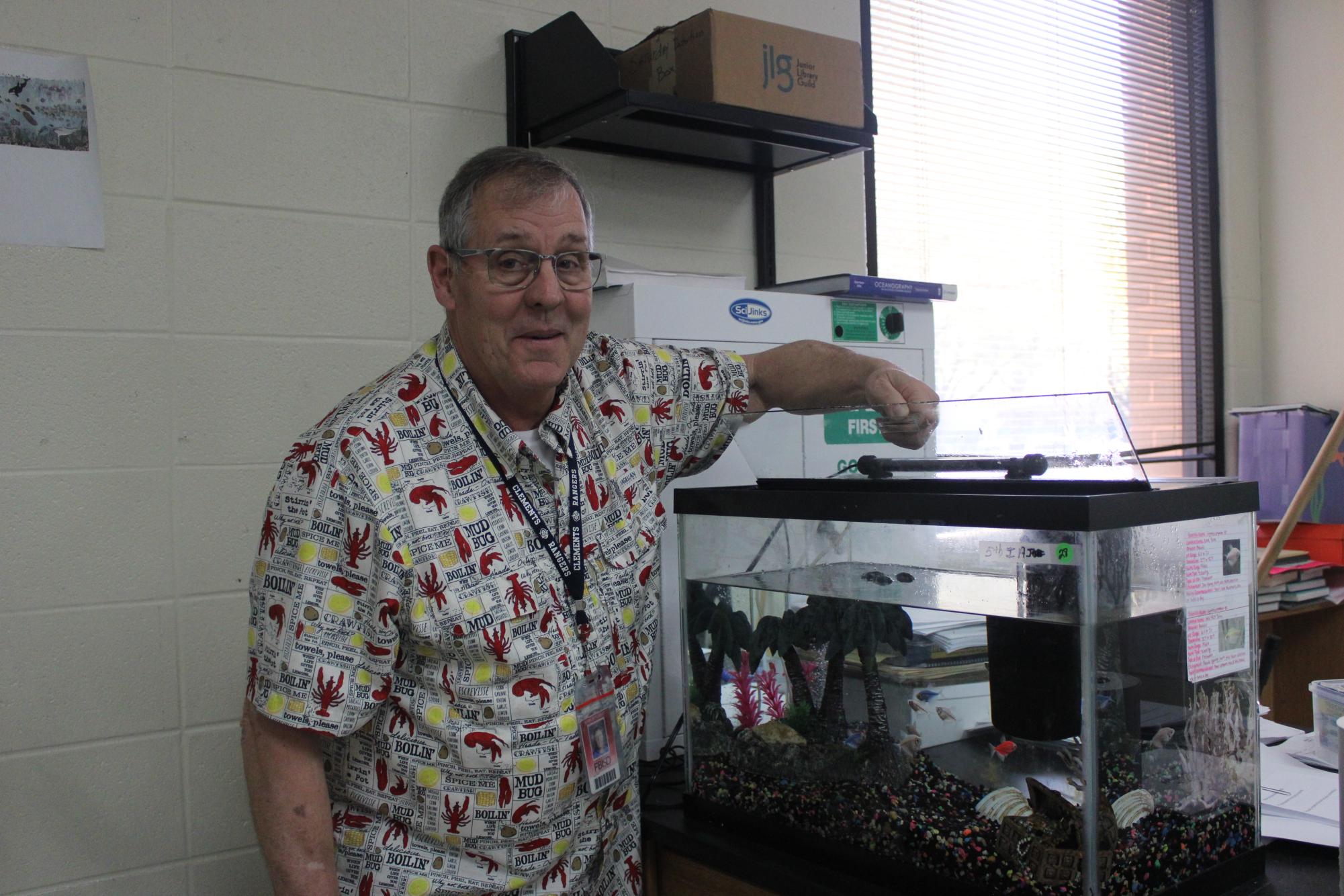
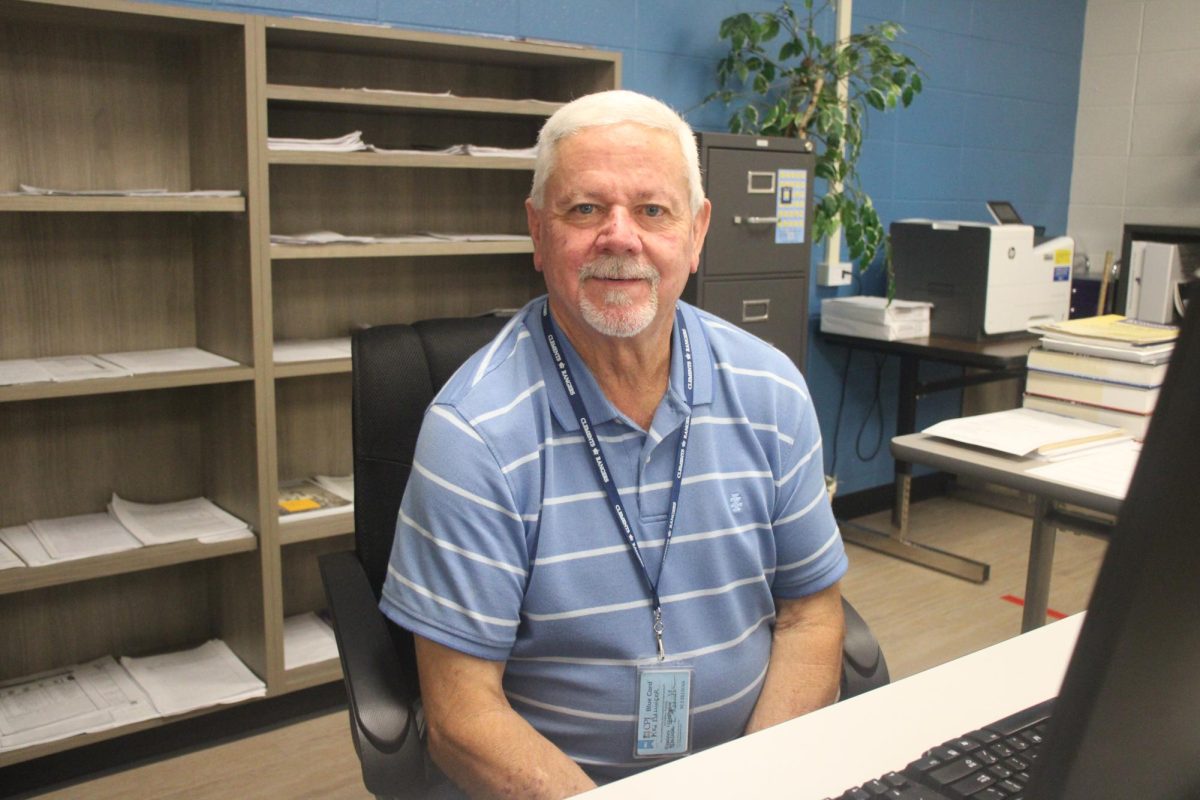
Chalk dust filled the classrooms in 1983 instead of glowing screens, and students walked into class without phones buzzing in their pockets. That year, long before technology transformed the way students learn, Mark Schubert began his career in education. More than four decades later, he continues to teach, adapt and connect with students, proving that passion and dedication can outlast any change in the system.
Schubert began teaching during a time when education was far more traditional. Lessons were written on whiteboards, textbooks were the main resource and teachers relied heavily on face-to-face interaction. The pace felt slower, and attention was rarely divided by electronics. Students listened, took notes by hand and conversations happened without the distraction of notifications buzzing every few minutes.
“It’s just two different worlds,” Schubert said.
Over time, he has watched education evolve into something entirely different, with laptops, cell phones and digital learning becoming the norm. Classrooms that once depended only on textbooks and lectures now rely heavily on technology, changing not only how teachers instruct but how students engage with lessons. For him, these shifts have required patience and flexibility as he adjusted his teaching style to meet new expectations and learning habits.
“[Before] education classes in college [had] a hundred people in a class or so,” Schubert said. “Now they don’t even have education classes, not enough people getting in. It’s totally, totally changed over my career.”
Before transitioning to aquatic science, Schubert spent years teaching biology, building a strong foundation in life sciences. However, his love for the outdoors eventually led him in a new direction.
“I’m an outdoors person,” Schubert said. “I like to fish. I like to go boating and all that fun stuff. That’s probably what really drew me to aquatic science.”
While biology allowed him to teach about living organisms in general, aquatic science gave him the opportunity to focus on something more personal: water, wildlife and ecosystems he had experienced himself. Teaching aquatic science allowed him to combine those interests with his career.
“[I’m] trying to show everybody what’s out there in the real world.” Schubert said.
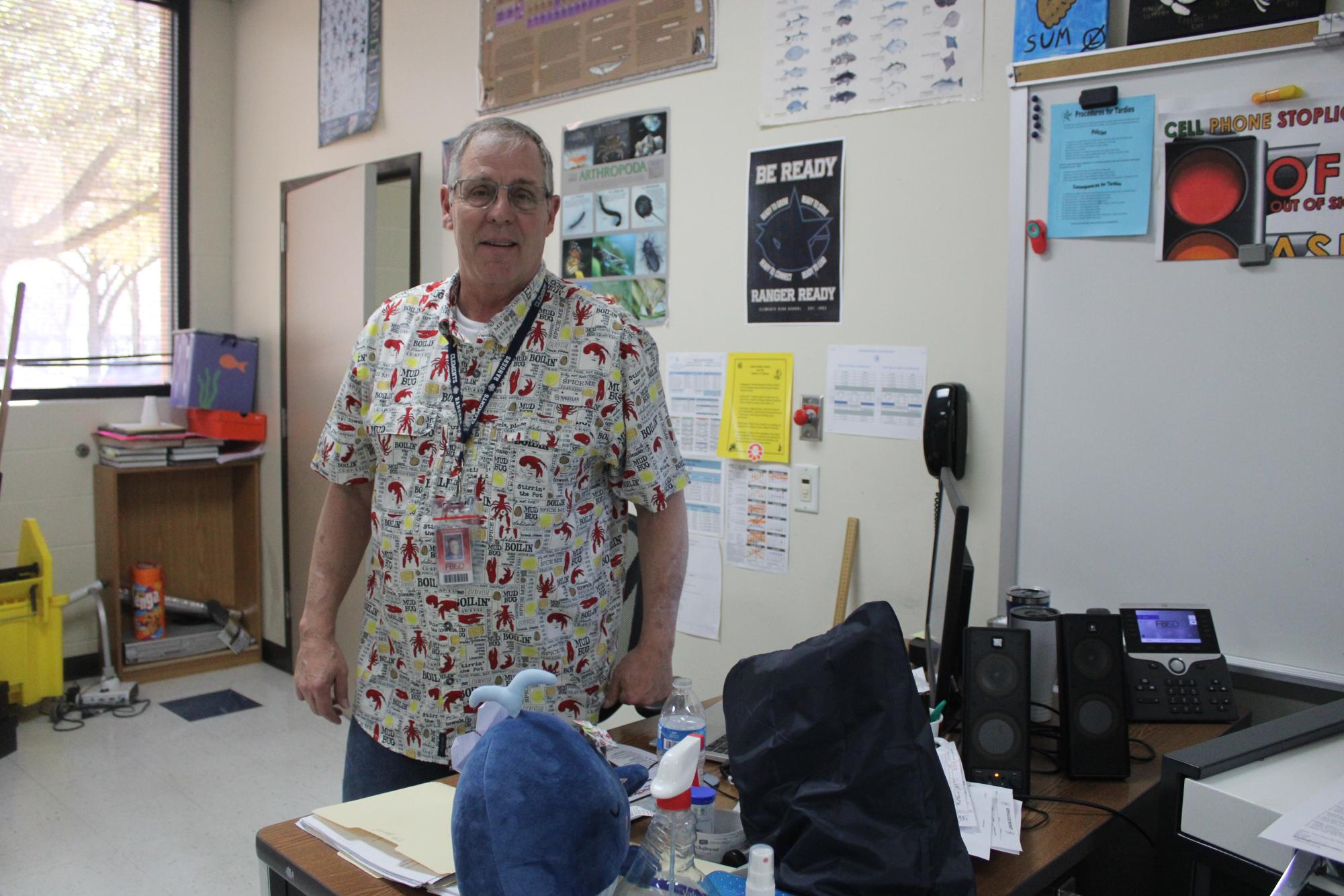
Schubert has now been teaching aquatic science for five years, using real world experiences to help students better understand life beneath the water’s surface. He believes that learning should connect to everyday life, helping students understand how science impacts the environment, wildlife and even their own choices.
“He actually interacts with his students,” senior Isahana Bhadnagar said. “All of his assignments are interactive, and you can have the responsibility of taking care of a pet, which a lot of us don’t get to do at home.”
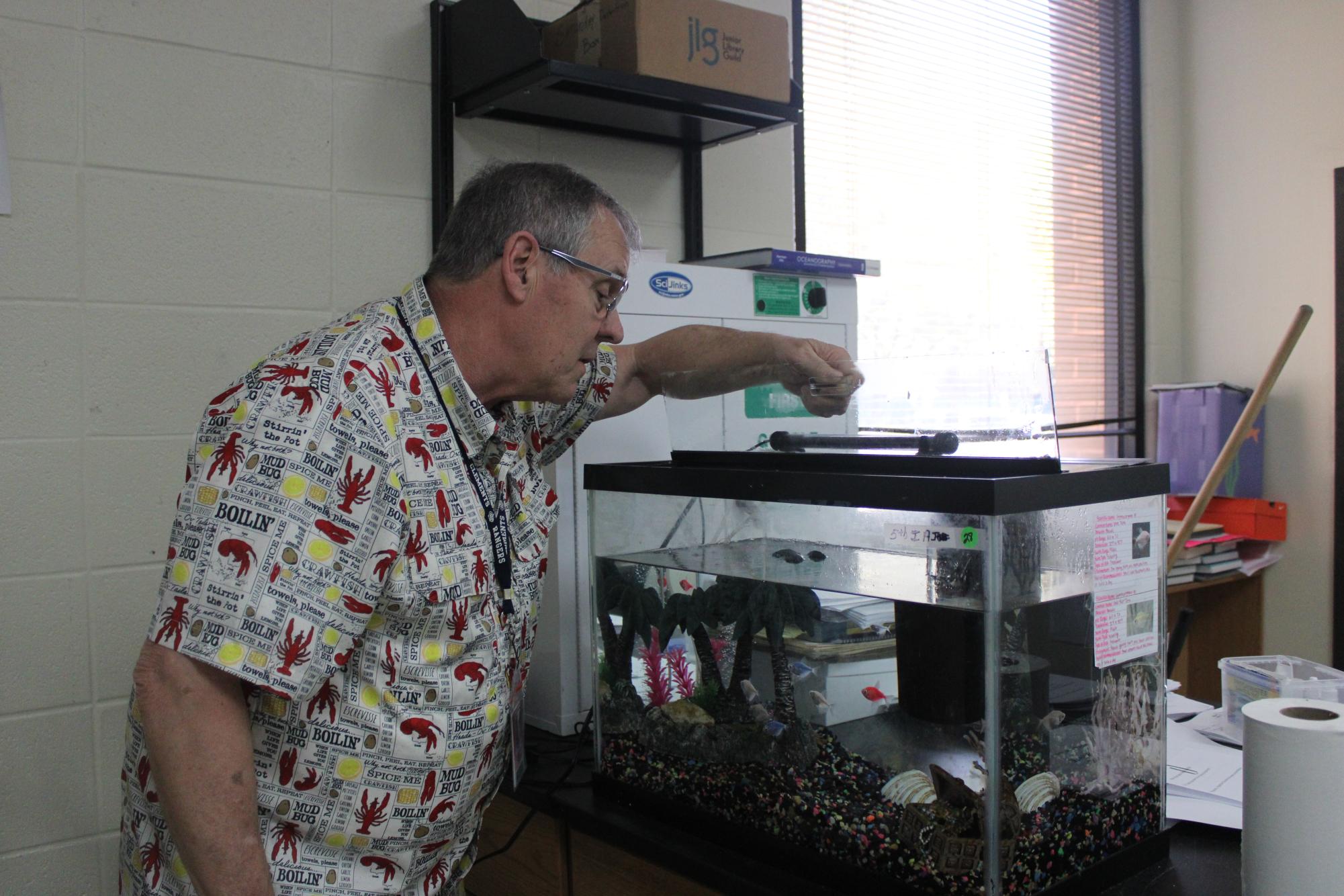
Inside the classroom, students care for various aquatic species, including turtles and an axolotl, one of the most unique animals Schubert has ever worked with. Through this hands-on approach, students learn responsibility, patience and respect for living organisms.
“Because you have different species, they need different requirements, adaptations, things of that nature, temperature, water, food, diet,” Schubert said. “They come from all over the world.”
Throughout his career, Schubert has learned that teaching is about more than just delivering content. He values relationships and believes understanding students is key to being an effective teacher. Creating a space where students feel comfortable helps him connect with them on a deeper level.
“[I] set guidelines, you know, rules and boundaries [but] also understand where they’re coming from, because I don’t know what has transpired before they get into my class,” Schubert said. “I want to find out what’s so funny, you know.”
Students often describe Schubert’s classroom as energetic, engaging and welcoming. Known for his humor and storytelling, Schubert said making students laugh is not something he plans, it’s simply who he is. Those moments of laughter help students feel comfortable and more open to learning.
“He’s the teacher that will walk up to a quiet student and make sure they understand the assignment,” Bhadnagar said. “He’ll also talk to anyone, whether you’re quiet or loud. He creates a comfort zone for everyone.”
Beyond the classroom, Schubert hopes students leave his course with a greater awareness of the environment. He wants them to understand where aquatic life comes from and why protecting water is essential. Topics such as pollution, conservation and wildlife management are a major focus.
“If we don’t take care of our water,” Schubert said. “We’re not going to be around much longer.”
As for the future, Schubert shared that he plans to return for at least one more year of teaching. While retirement may be on the horizon, his impact has already made waves in the community. Decades of experience, adaptability and genuine care for students have shaped his teaching style and his legacy. From chalkboards in 1983 to aquariums filled with life today, Schubert’s journey through education reflects not only how schools have changed, but also how one teacher’s passion can leave a lasting impression.
“I like to have people smile and make it fun here,” Schubert said. “It’s probably my personality.”